How to Downsize in Plainfield, CT: Simple Steps for a More Manageable Move
Downsizing can be a smart way to simplify your home, reduce the amount of space you maintain, or prepare for a new stage of life. It can also be a surprisingly large project. Deciding what stays, what goes, and what will fit in your next home takes more planning than simply packing everything into boxes.
If you are downsizing in Plainfield, CT, start early and work through your belongings a little at a time. Residents who are not ready to part with everything can also use storage near Plainfield in Canterbury to keep furniture, seasonal belongings, business items, and other possessions that may not fit comfortably in a smaller home.
Start Downsizing Before You Start Packing
One of the easiest mistakes to make is to pack first and sort later. If you already know you are moving into a smaller home, there is little reason to spend time and money packing belongings you ultimately will not keep. Start with areas that contain items you are less emotionally attached to, such as a pantry, linen closet, garage, or utility room. Working through these spaces can help you establish a routine before moving on to photographs, family keepsakes, and other sentimental belongings.
Give yourself enough time to make thoughtful decisions. Trying to downsize an entire home over a weekend can turn the process into a rush to get rid of things rather than an opportunity to decide what you actually want in your next home.
Know How Much Space You Will Have
Before deciding what to keep, learn as much as possible about your new home. Square footage is useful, but individual room dimensions, closet space, kitchen cabinets, garage space, and the property's layout may matter even more.
Measure larger furniture before the move. A dining table, sectional sofa, entertainment center, or bedroom set that worked well in your current home may overwhelm a smaller room even if it technically fits. Think about how you want each room to function as well. Leaving open space can make a smaller home feel more comfortable than filling every available wall and corner with furniture from your previous property.
Sort Your Belongings by What You Actually Use
As you move through the house, divide belongings into categories such as keep, sell, donate, recycle, dispose of, and store. Having clear categories makes it easier to keep the project moving instead of repeatedly reconsidering the same items.
For everyday belongings, ask yourself when you last used the item and whether it will serve a purpose in the new home. Duplicate kitchen equipment, old electronics, extra linens, unused furniture, and clothing that has not been worn in years are often good places to reduce clutter.
Sentimental belongings may take longer. Instead of trying to eliminate everything, consider keeping a smaller collection of meaningful items. Photographs can be digitized, collections can be pared down to favorite pieces, and family members may want belongings you no longer have room to keep.
Decide What to Do With Unwanted Items
Downsizing does not mean everything you remove from your home has to go in the trash. Furniture, clothing, household goods, books, and other usable belongings may be sold or donated, depending on their condition. Planning this part of the process early is important. Waiting until moving day to figure out what to do with unwanted furniture can leave you scrambling to arrange pickups, transportation, or disposal.
For items that cannot be sold or donated, the Connecticut Department of Energy & Environmental Protection provides official guidance on recycling and waste disposal for residents. Checking disposal requirements before a major cleanout can help you determine which materials can be recycled and how to handle other unwanted household items.
Use Temporary Storage Instead of Making Rushed Decisions
Not every downsizing decision needs to be permanent on moving day. If you are uncertain about a piece of furniture, family keepsakes, seasonal equipment, or other belongings, temporary storage can give you more time to decide. This can be particularly useful when moving into a new home with a different layout. After living there for a few weeks or months, you will have a much better idea of which belongings you miss and which you can comfortably let go of.
Canterbury Mini Storage is located in nearby Canterbury and serves residents and businesses from the Plainfield area. The facility offers options such as drive-up and climate-controlled storage, allowing you to choose a space based on the belongings you need to keep outside your home.
Don't Forget About Home-Based Business Items
Downsizing can become more complicated if part of your home is also being used for work. Inventory, records, supplies, tools, equipment, shipping materials, and extra office furniture can occupy a surprising amount of residential space. Instead of choosing a larger home solely to accommodate business belongings, consider separating your household and business storage needs.
Our guide to business storage near Plainfield, CT explains how additional storage space can be used for inventory, supplies, equipment, and other business items. This can be especially useful for small business owners and contractors whose storage needs change throughout the year. Keeping business materials organized outside the home can also make it easier to preserve valuable living space after downsizing.
Prepare for the Physical Move
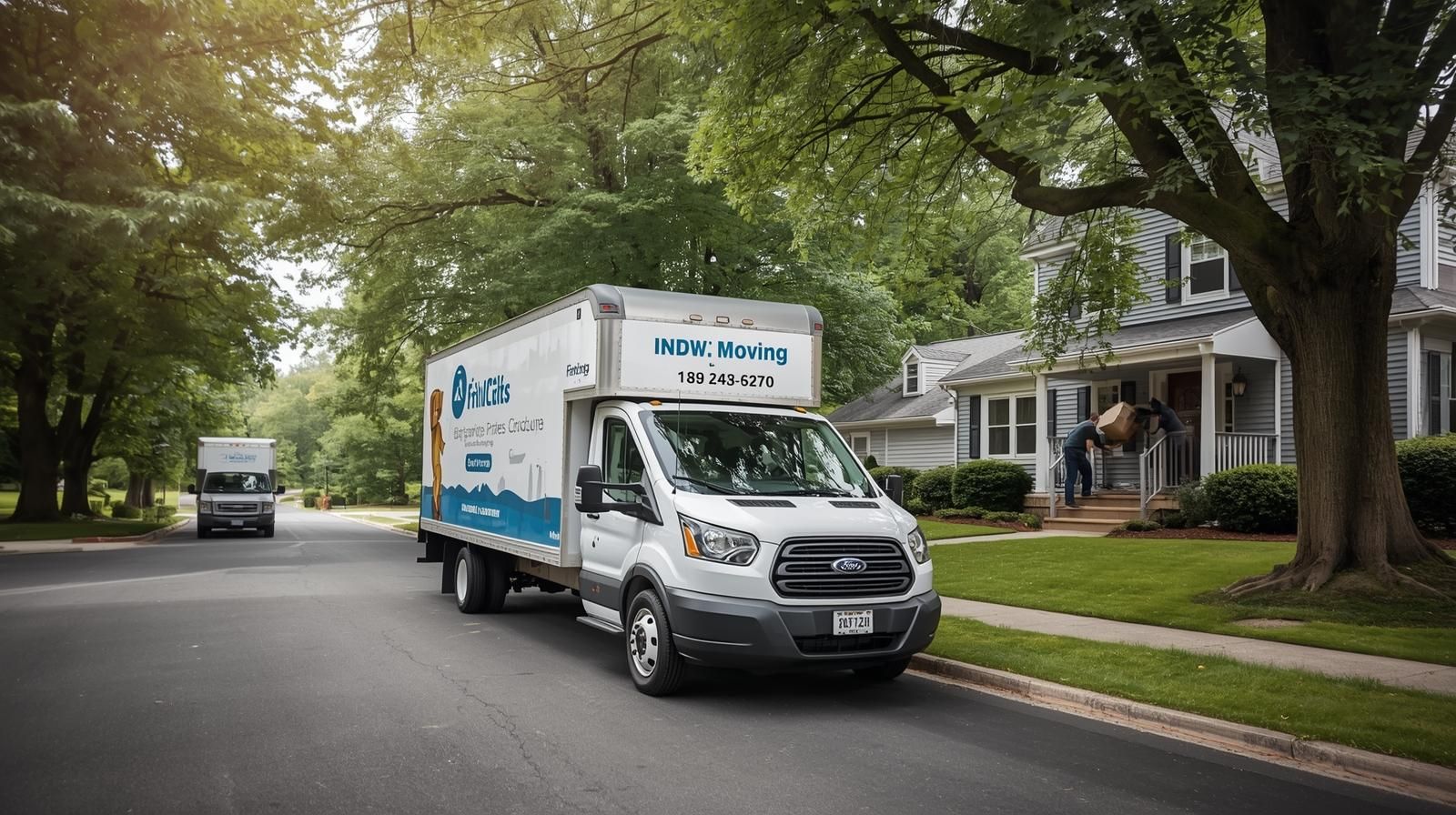
Once you have reduced what you own, the actual move should become more manageable. You will have fewer boxes to pack, fewer pieces of furniture to transport, and less to organize when you arrive. Label boxes by both room and contents rather than using broad labels such as "miscellaneous." Keep essential medications, documents, chargers, toiletries, clothing, and other first-day necessities separate so they do not get lost in the moving truck.
If you plan to hire professional help, the guide to moving companies in Canterbury, CT provides tips for evaluating movers, comparing estimates, and preparing for moving day. Even when you are moving only a short distance, having a clear plan can make the transition easier.
Think About Life After the Move
Downsizing works best when you focus on the life you want in your new home rather than simply the belongings you are leaving behind. Less space can mean less cleaning, fewer unused rooms, and a stronger reason to be selective about what comes into the house.
It can also encourage you to make better use of community resources rather than keeping everything at home. The official Plainfield Recreation Department provides information about local recreation and community activities for residents. Exploring programs and activities around town can be a useful way to get settled and establish a new routine after a move. Try to avoid immediately filling newly opened space with replacements for everything you donated or sold. Give yourself time to live in the smaller home and learn what you actually need.
Organize Your New Home With Less Clutter
Once you arrive, unpack the belongings you use most first, then bring everything else into the house. This gives you a chance to see how the rooms function before filling closets, cabinets, and storage areas. Make use of vertical storage, shelving, under-bed space, closet organizers, and furniture that serves multiple purposes. These small changes can make a noticeable difference when square footage is limited.
If something does not have a logical place in your new home, reconsider whether it needs to be there. Downsizing is much easier to maintain when every item has a purpose and a designated place.
Make Downsizing in Plainfield, CT More Manageable
Downsizing does not have to mean getting rid of everything you value. The goal is to create a home that fits your current needs without paying for or maintaining space primarily used to hold belongings you rarely touch. Start early, measure your new home, avoid duplicates, and give yourself time to decide about sentimental belongings. Gradually selling, donating, storing, and disposing of items can make the process much less overwhelming.
For belongings you want to keep but do not have room for at home,
storage units near Plainfield in nearby Canterbury can provide additional space while you settle into your smaller home and decide what you truly want to keep long-term.